Environment
Africa Must Author Its Climate Future, Onuigbo Declares At Addis Ababa Conference
Calls For African Climate Agency, Urges Shift From Pledges To Implementation

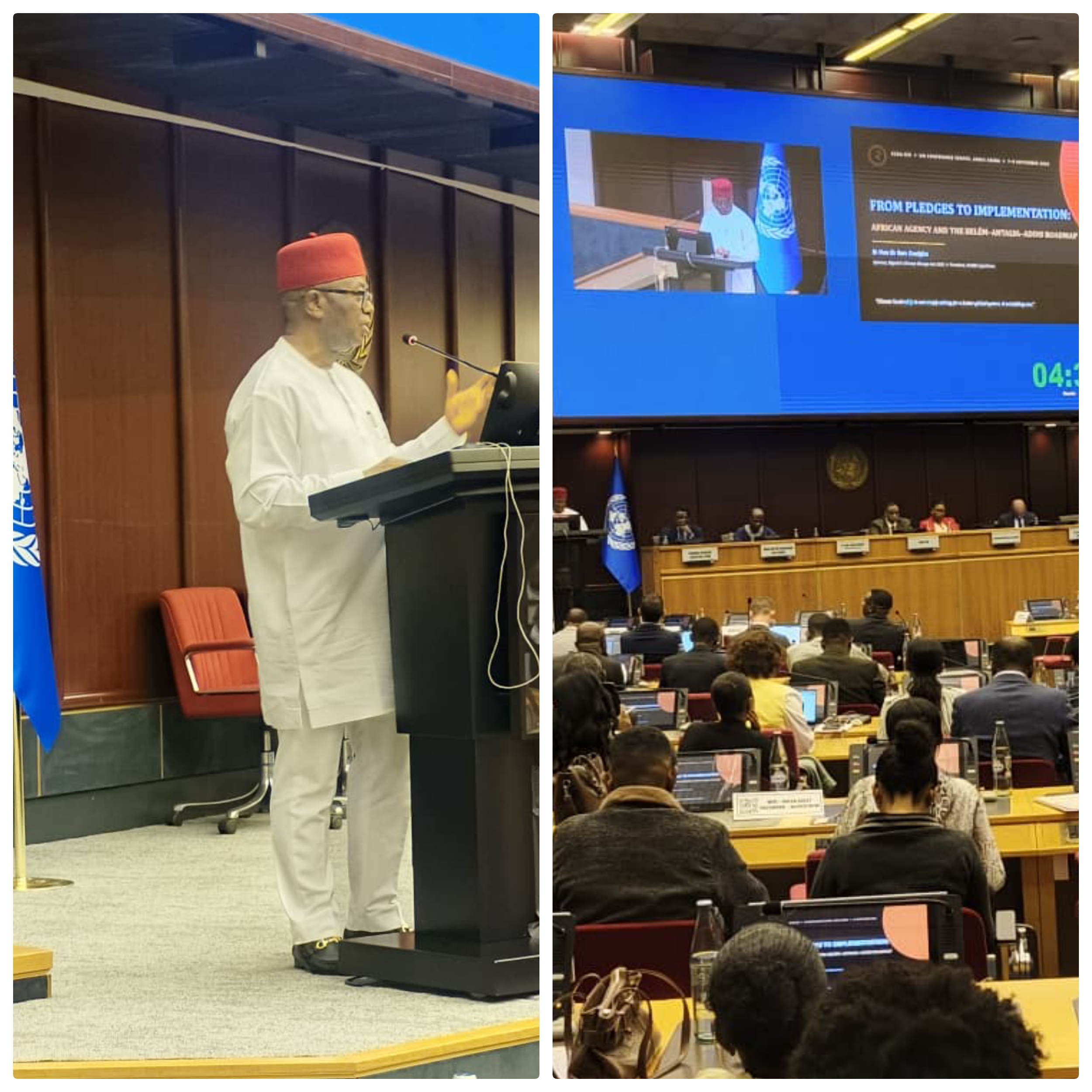
Africa must move beyond participating in global climate negotiations to taking ownership of the rules, institutions, financing mechanisms and implementation pathways that will shape its climate future.
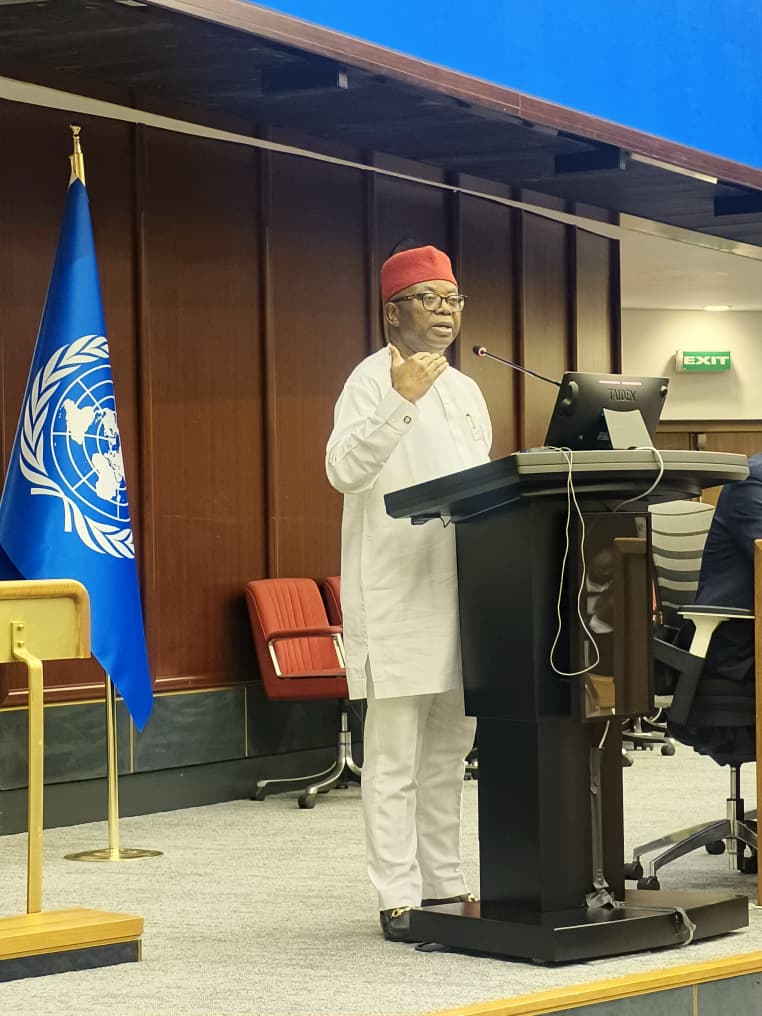
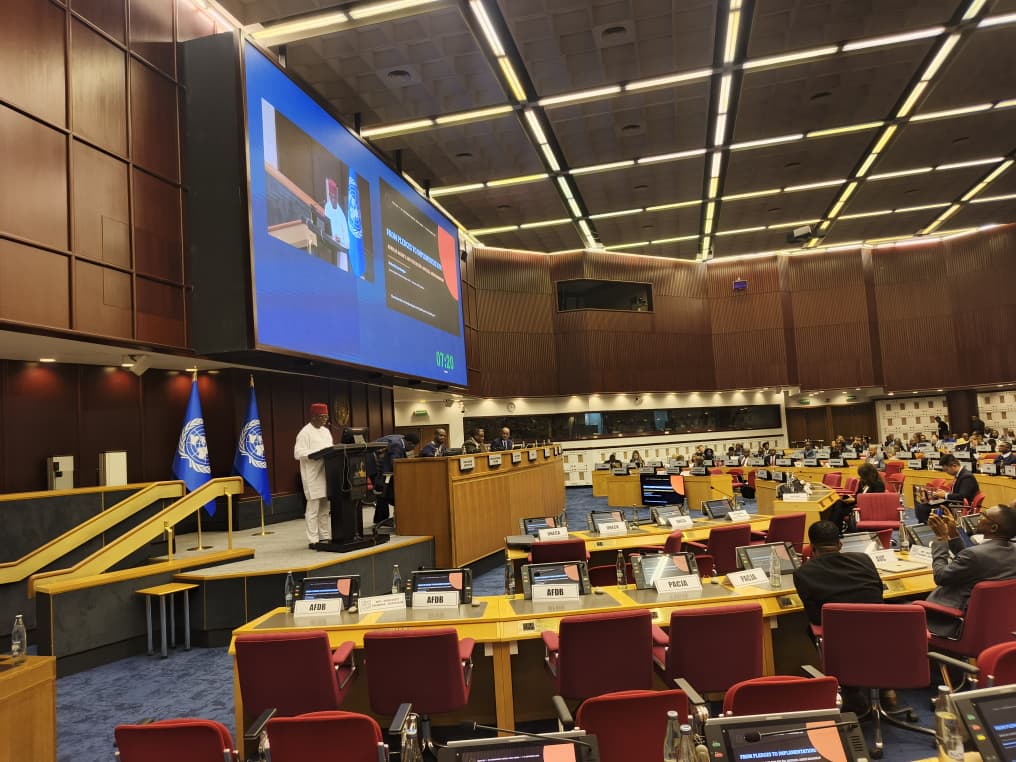
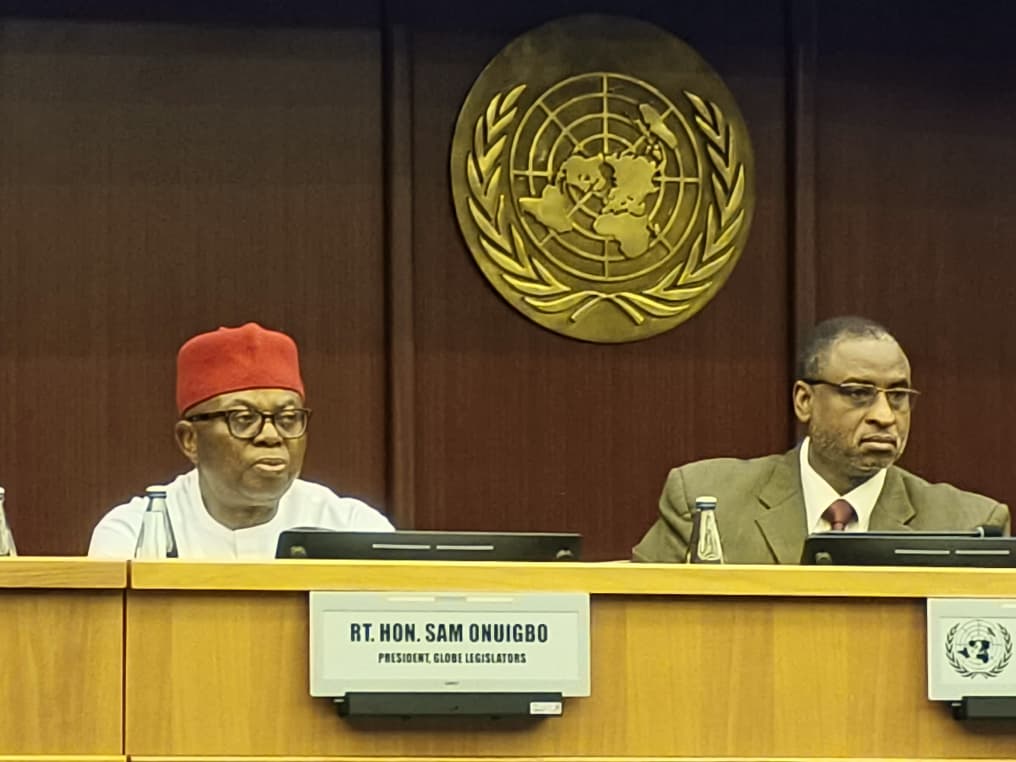
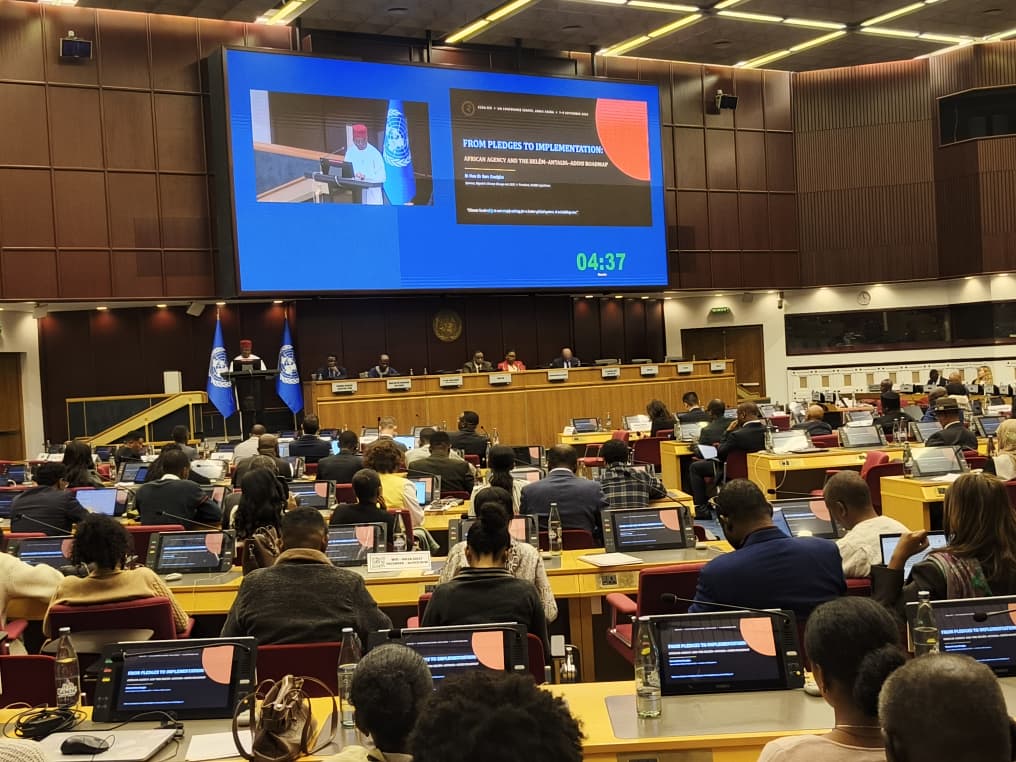
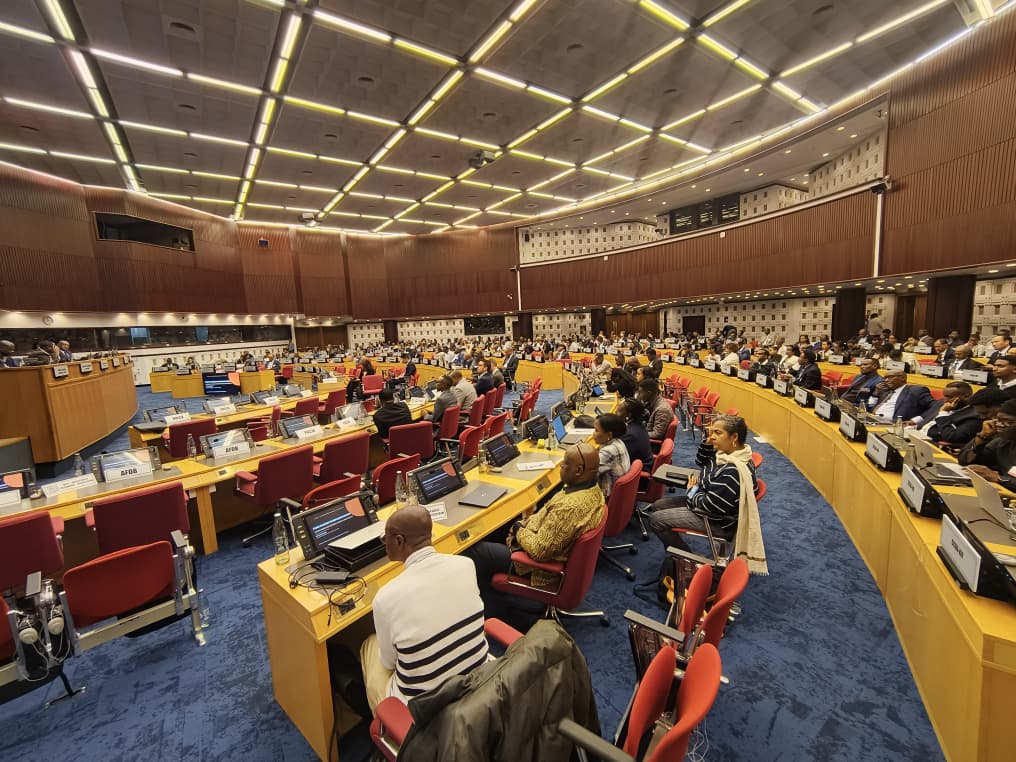
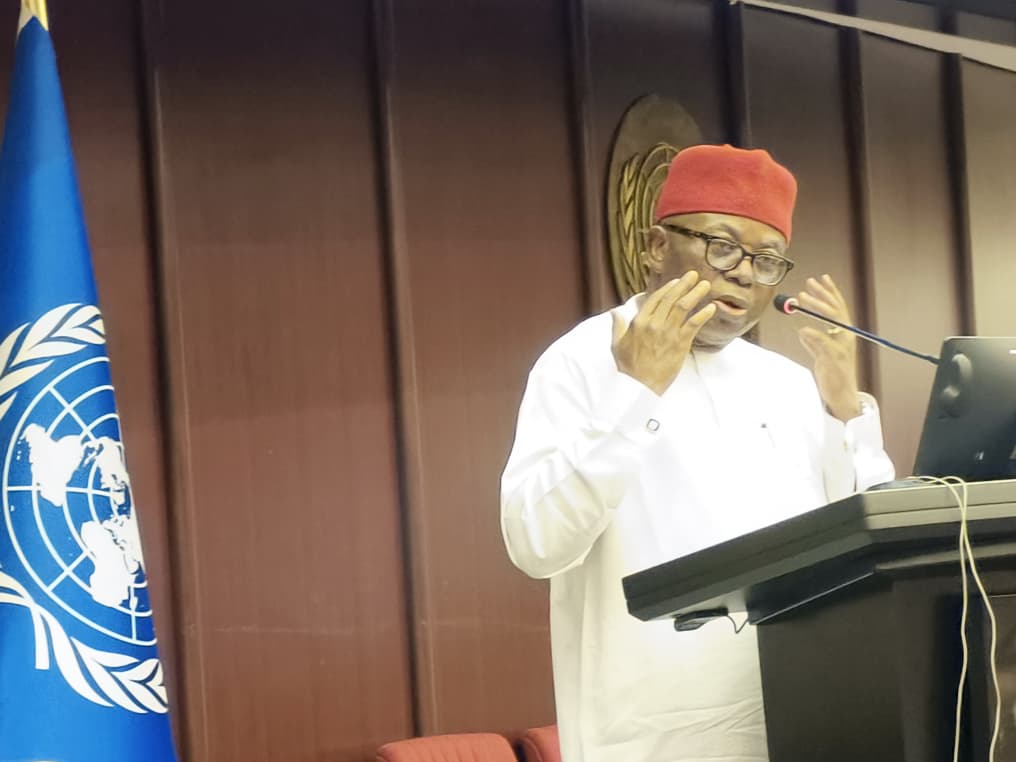
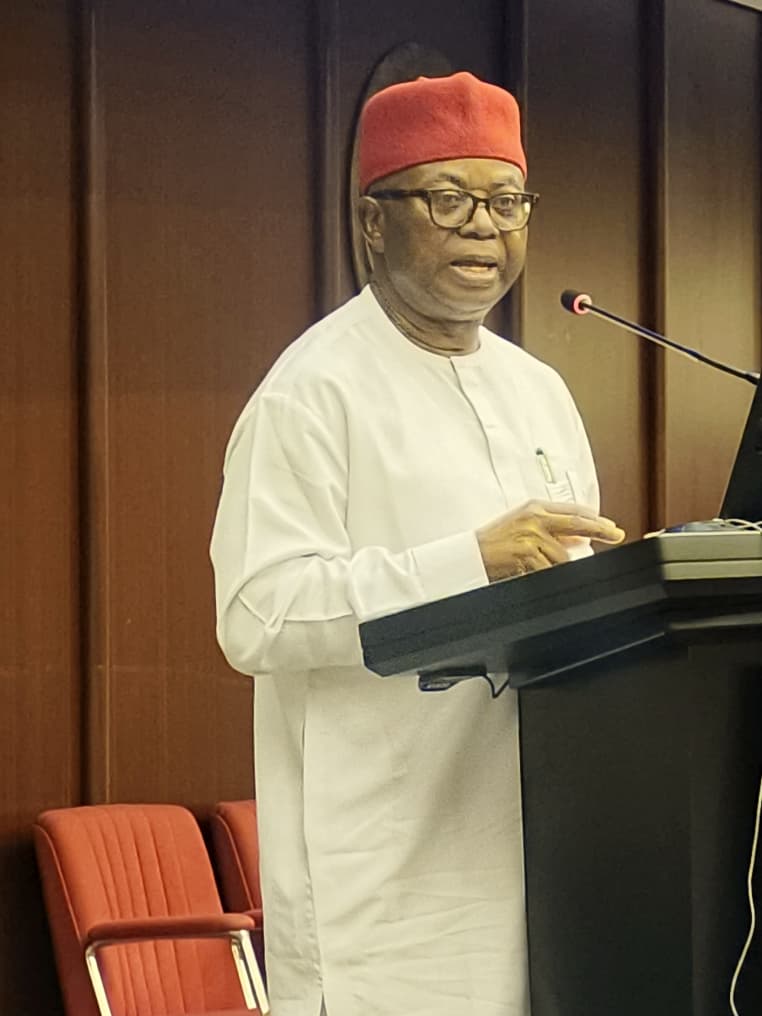
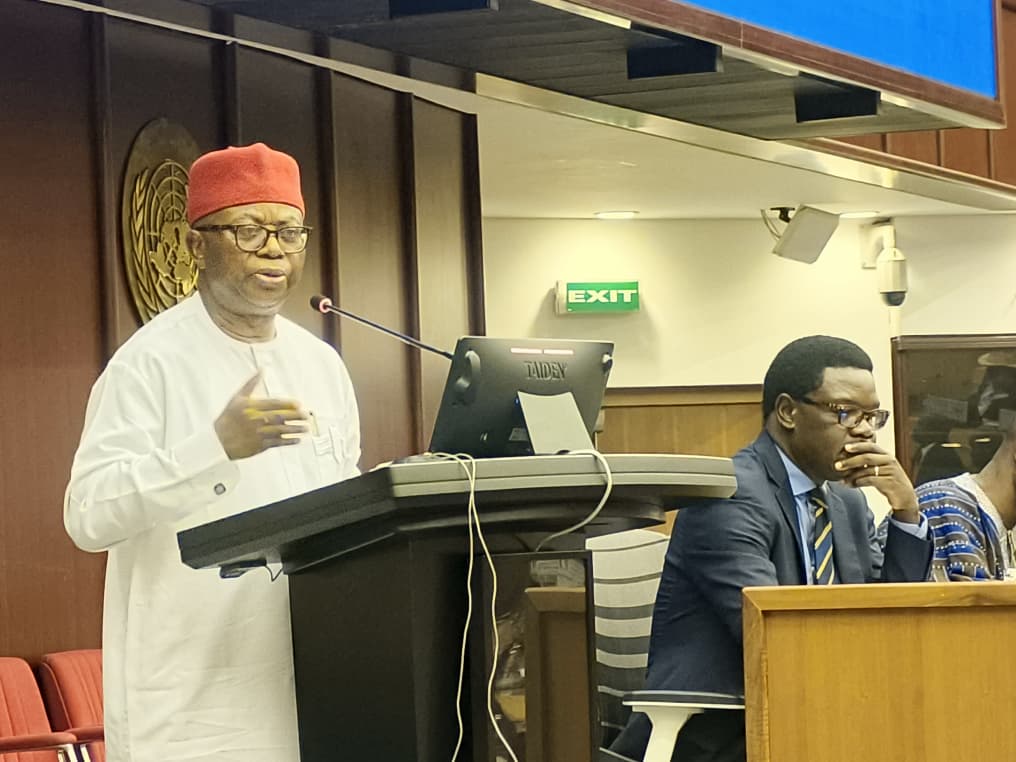
President of GLOBE Legislators International, and sponsor of Nigeria’s Climate Change Act 2021, Rt. Hon. Sir Sam Onuigbo, stated this while presenting a paper at the Fourteenth Conference on Climate Change and Development in Africa, CCDA-XIV, holding at the United Nations Conference Centre in Addis Ababa, Ethiopia.
Speaking on the theme, “From Pledges to Implementation: The Belém–Antalya–Addis Roadmap,” Onuigbo said Africa’s climate future must be built, financed, governed and defended by Africans, rather than depending solely on external pledges.
He argued that while Africa has consistently highlighted its low contribution to historical greenhouse-gas emissions and its disproportionate vulnerability to climate change, the continent must now move from presenting its climate priorities to exercising climate agency.
According to him, climate agency means Africa should not merely be represented in global climate institutions, but should help author the rules, design the financing instruments, build the institutions and determine who assesses, approves, disburses and benefits from climate resources.
Onuigbo said the transition from pledges to implementation must be treated as a development strategy capable of delivering resilience, energy access, industrialisation, jobs, food security, technology and sustainable development across the continent.
He maintained that Africa’s Nationally Determined Contributions, NDCs, should no longer be regarded merely as diplomatic submissions, but should serve as investment frameworks, sectoral plans, accountability mechanisms and pipelines of bankable projects.
The former federal lawmaker cited Nigeria’s Climate Change Act 2021 as an example of how climate ambition can be translated into law and institutional governance.
He explained that the legislation establishes a statutory framework for climate action and creates institutional responsibility through the National Council on Climate Change, chaired by the President, providing high-level coordination for a challenge that cuts across virtually every sector of the economy.
Onuigbo said such institutional arrangements were necessary to overcome what he described as inter-agency rivalry, which could undermine effective climate action through competing mandates, budgets and authority.
He also pointed to the devastating floods recorded in Nigeria in 2012, 2022 and 2024, saying they demonstrated that the cost of climate inaction was no longer theoretical.
He therefore called for a shift from reactive disaster management to anticipatory climate-risk management through flood-risk mapping, drainage infrastructure, dam safety, wetlands protection, land-use planning, early-warning systems and climate-responsive budgeting.
The GLOBE Legislators experience, he added, demonstrates the critical role of parliaments in translating climate commitments into legislation, budgets, oversight and accountability.
Onuigbo urged African legislators, governments, development banks, universities, civil society and private-sector actors to work together to ensure that climate commitments survive political transitions and produce measurable outcomes.
He identified five key areas where Africa must strengthen its influence in global climate governance.
These include shaping the accreditation and disbursement rules of multilateral climate funds; influencing the structure and terms of climate finance; shaping carbon-market rules under Article 6 of the Paris Agreement; coordinating climate and trade policies in response to carbon-border measures; and developing African-centred metrics for adaptation, resilience and loss and damage.
The former lawmaker further advocated the creation of an African Climate Implementation Compact, a project-preparation facility, a continental adaptation investment pipeline, a climate intelligence network, a green industrialisation compact, an energy-access and transition compact, a fair climate-trade framework and a blue-economy investment initiative.
He stressed that Africa must also mobilise its own capital, including pension funds, sovereign wealth funds, commercial banks and development-finance institutions, while using public and concessional resources to de-risk projects and attract larger pools of investment.
On energy transition, Onuigbo said Africa’s pathway must go beyond emissions reduction to include reliable and affordable electricity, clean cooking, industrial development, productive power and job creation.
He also called for Africa’s renewable energy potential, critical minerals, forests, oceans and young population to be transformed into value chains that create wealth and employment on the continent rather than leaving Africa as an exporter of raw materials.
Onuigbo concluded that the real measure of climate ambition was not the quality of pledges made at international conferences, but the quality of their implementation.
He said climate leadership would ultimately be measured by whether farmers are better protected from drought and floods, communities have reliable energy, young Africans can establish green enterprises, women gain access to finance and land, cities become more resilient and African natural resources generate greater value for Africans.
He declared that Africa’s climate leadership should therefore be about building a better global climate system with African institutions, African decisions, African capital and African authority at the centre.
See photos below:












APGA Mourns Greg Ibe, Hails His Legacy of Educational Support

Onuigbo Hails SESN Fellowship, Reaffirms Commitment to Solar Energy Adoption

Otti Lights Torch of Unity, Flags Off Abia Tertiary Institutions Sports Fiesta

Governor Otti Inaugurates Board Of Abia State Electricity Regulatory Authority , Vows To Pull Umuahia Out Of National Grid

Tacha most nominated housemate in history of BBNaija ― Cross
