HEALTH
How patients go blind, suffer stroke, experience kidney failure due to social media drug promotion

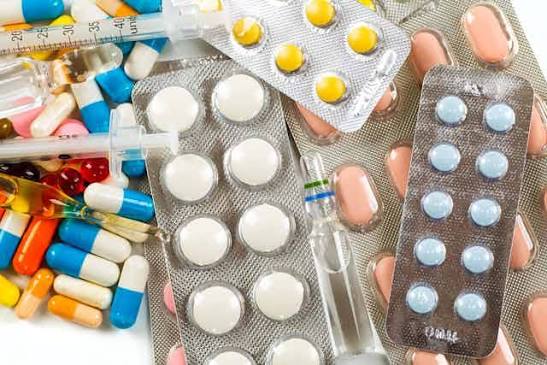
Following soaring costs of healthcare and drug shortages in the country, millions of Nigerians are compelled to seek alternative sources of purchasing drugs that are relatively cheaper and affordable.
Their desperation to find cure for their ailments at affordable costs has however made many fall victims of scammers on the social media who promise them a permanent solution to the problems but they end up with worse situations.
Nigerians desperate for affordable healthcare are now gambling with their lives as social media has turned into an unregulated pharmacy. Patients are going blind, suffering kidney failures, and even dying after taking counterfeit or unprescribed medicines sold online. Unfortunately, this new silent epidemic is unfolding—not in hospital wards, but through phone screens and social media feeds. Medical complications are no longer far; they’re delivered to the doorstep.
From Instagram stories to WhatsApp messages and Facebook broadcasts, drugs are being marketed, sold, and delivered across Nigeria with just a few clicks; no prescription, no diagnosis, and no medical supervision. Medications for ailments such as red eyes, ulcers, diabetes, high blood pressure, infertility, and prostate issues are readily available online, often promoted as quick fixes. In a country that parades an unenviable life expectancy between 54 and 64 years, which placed it as the world’s shortest in 2025, what started as a convenience has quietly metamorphosed into a national health hazard.
Today, with a single tap, users are exposed to a flood of healthcare product advertisements: from herbal detox teas and anti-hypertensives to cancer remedies, weight loss pills, arthritis cures, and ulcer treatments. These products are aggressively promoted across Facebook, Instagram, WhatsApp, LinkedIn, and other digital platforms. Many rely on unverifiable testimonials and pseudo-scientific claims to gain traction, often targeting desperate or uninformed consumers.
But public health experts and regulatory authorities are sounding the alarm. They warned that without immediate intervention, this unregulated digital drug market could fuel a full-scale health crisis that Nigeria’s already fragile healthcare system may not be equipped to handle.
According to them, these medicines sold online are contributing to a surge in preventable complications such as kidney and liver failure, sudden blindness, strokes, and even deaths.
But in most cases, the damage is done quietly unseen until it becomes irreversible.
Lagos State Chairman of the Nigeria Medical Association, NMA, Dr. Saheed Babajide said, the situation is both unethical and life-threatening. “Nobody has the right to prescribe drugs or self-medicate. It is illegal for anybody to make false advertisements—whether in newspapers, on TV, or on social media. The implication is confusion in healthcare delivery. Many Nigerians are using fake, unregistered drugs that cause severe side effects and even death.
“What we see every day is kidney failure, strokes, blindness, and even mental illness linked to misuse of these drugs. Anybody involved should be prosecuted. Nigerians must also stop buying drugs through social media.” He added that: “We should not trade the health of Nigerians for money. Authorities must take action. NAFDAC must wake up. It is not about raiding Idumota or Onitsha markets alone; they must go after social media and media platforms promoting these products.”






Abia Legislator Erondu Jnr Preaches Peace, Compassion at Easter

Easter Celebration: Onuigbo Seeks Unity, Peace, and Prosperity for Nigeria

500 Beneficiaries Smile Home as Osonwa Delivers Massive Empowerment Package

Governor Otti Inaugurates Board Of Abia State Electricity Regulatory Authority , Vows To Pull Umuahia Out Of National Grid

Tacha most nominated housemate in history of BBNaija ― Cross
